

Cybersecurity Awareness for Students: Protecting Personal Data on Campus
In today’s digital age, cybersecurity is more critical than ever, especially for students who frequently use online platforms for educational and personal purposes. Protecting personal data becomes a priority on campus, where networks are often vast and varied. Here are essential tips for students to securely safeguard their personal information and navigate the digital world.…


Cybersecurity Awareness for Students
In today’s digital age, cybersecurity is more critical than ever, especially for students who frequently use online platforms for educational and personal purposes. Protecting personal data becomes a priority on campus, where networks are often vast and varied. Here are essential tips for students to securely safeguard their personal information and navigate the digital world.
The Importance Of Cybersecurity Awareness for Students
The importance of cybersecurity awareness for students in today’s increasingly digital world cannot be overstated. Students are constantly exposed to potential cyber threats, with most educational resources and social interactions happening online. Cybersecurity awareness equips them with crucial knowledge and skills to navigate the internet safely and protect their personal information from cybercriminals. To get safe and efficient academic help, go to Grabmyessay. This is a secure site that offers college papers for sale.
Students often handle sensitive data, including personal identification details, educational records, and financial information. Without proper cybersecurity measures, this data can be vulnerable to hacking, phishing, and other cyberattacks, leading to identity theft, financial loss, and reputational damage. Students can significantly mitigate these risks by understanding the basics of cybersecurity, such as secure password practices, recognizing phishing attempts, and safe browsing habits.
Moreover, cybersecurity awareness is not just about personal protection; it’s about contributing to a safer digital environment for everyone. Educated students can recognize and report potential threats, preventing the spread of malware or harmful content. As future professionals, their early exposure to cybersecurity principles also prepares them for responsible digital practices in their careers.
Thus, instilling cybersecurity awareness in students is imperative, so education in this field is vital. You can get more information on its importance here. Cybersecurity awareness guards learners against immediate digital threats and fosters a mindful and responsible internet usage culture that benefits the broader community.
10 Tips On Protecting Personal Data on Campus
1. Use Strong and Unique Passwords
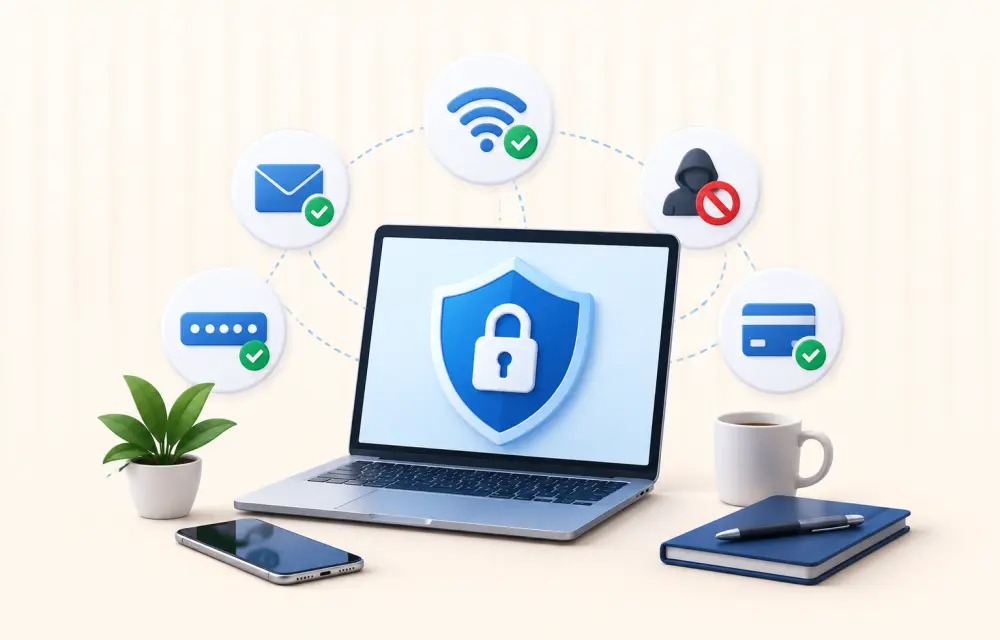
The first line of defense in protecting your data is a strong password. Avoid using easily guessable passwords like ‘123456’ or ‘password.’ Instead, opt for complex combinations of letters, numbers, and symbols. Use different passwords for different accounts to reduce the risk of one account being compromised.
2. Be Wary of Public Wi-Fi
Public Wi-Fi networks on campus are convenient but often unsecured. Avoid accessing sensitive information or making transactions while connected to these networks. If necessary, use a virtual Private Network (VPN) to encrypt your internet connection and shield your activities from prying eyes.
3. Keep Your Devices Updated
Regularly update your devices’ operating systems and applications. These updates often include security patches that protect against new threats. Delaying updates leaves you vulnerable to malware and cyberattacks.
4. Beware of Phishing Scams
Phishing scams are prevalent on college campuses. Be cautious with emails requesting sensitive information or urging you to click on unknown links. Verify the sender’s identity and contact the concerned department if you’re unsure about the legitimacy of a request.
5. Use Antivirus Software
Install reliable antivirus software on your devices and keep it up-to-date. Antivirus software acts as a barrier against malware that can steal personal information.
6. Back Up Your Data Regularly
Regularly back up your data to an external hard drive or cloud service. You won’t lose important documents and personal information in a cyber-attack or system failure.
7. Practice Safe Browsing
Be cautious about the websites you visit. Avoid downloading materials from suspicious or unknown sites, as they may contain malware. Look for ‘https’ in the website URL, indicating a secure connection.
8. Secure Your Mobile Devices
Mobile devices are treasure troves of personal data. Use screen locks, avoid storing sensitive information, and be cautious about the apps you download. Check app permissions to ensure they do not have access to unnecessary personal data.
9. Educate Yourself About Cybersecurity
Stay informed about the latest cybersecurity threats and best practices. Many universities offer resources and workshops on cybersecurity awareness. Taking advantage of these resources can provide valuable knowledge and skills.
10. Report Suspicious Activities
If you notice any suspicious activities or believe your data has been compromised, report it immediately to your campus’s IT department. Quick action can prevent further damage and help address the security breach effectively.
In Conclusion
Cybersecurity awareness is essential for students in protecting their personal data on campus. By following these tips, students can significantly reduce their risk of falling victim to cyber threats. Remember, in the digital world, being proactive about security is always better than being reactive to a breach. Stay vigilant, stay informed, and stay safe.
Author: Philip Richardson
Philip Richardson, a seasoned web cybersecurity expert, combines his technical expertise with his flair for writing to produce articles that demystify complex cybersecurity topics. His work is renowned for providing insightful, easy-to-understand perspectives on digital security challenges and solutions. Philip’s commitment to educating a wider audience about web safety is evident in every piece he pens.
More in Featured
Simple Ways to Improve Your Digital Safety in Everyday Life
The internet has become an essential part of today’s life. These days, we use digital services for everything from banking to shopping, tele-working to watching movies, to staying in touch with family and friends. Such amenities are also changing the way we live and work, but they’ve increased the importance of online security and privacy…
How to Stay Safe When Using On-Demand Services
Convenience has reshaped how we live. With apps like Uber, Airbnb, and DoorDash, we can book a ride, rent a home, or order food within minutes. According to the World Economic Forum, the platform economy is expanding rapidly and is expected to reach $21,450 billion by 2033. That kind of growth shows how deeply on-demand…

What Are Some Common Ways That People’s WhatsApp Messages Can Be Hacked?
WhatsApp is one of the most popular messaging platforms, boasting billions of users. It offers a practical instant messenger for calling, sending, and receiving WhatsApp messages, audio, and video files. On this network, users communicate and share a lot of private information, so it is no wonder there is an increased need to gain access…
The week in tech, minus the noise.
New reviews, fixes and the stories that matter — once a week, straight to your inbox.
We only use your email to send the newsletter. Unsubscribe any time. See our privacy policy.
Comments