

Apple removes vulnerable Zoom web server via an automatic Mac update
You must have already heard about the Zoom vulnerability which was found out yesterday. If not, you should note that your Mac-powered device is vulnerable


You must have already heard about the Zoom vulnerability which was found out yesterday. If not, you should note that your Mac-powered device is vulnerable to hack if you have ever installed Zoom video-conferencing software. This is because Zoom creates a web server as soon as the app is installed on your Mac.
But even after uninstalling Zoom, that web server still stays. And that web server is vulnerable and anyone can gain access and record video from your front selfie camera.
Now, this issue has been noticed by Apple as well and the company has reacted quickly. This shows that Apple is also concerned about the threat that Zoom’s vulnerability possesses. Therefore, Apple has released an automatic Mac update which will get installed on each and every Mac device.
With this update, the web server created by Zoom will be removed. Apple has released this update even though Zoom has already released a patched version of its app. Because Apple knows that not each and everyone will update their apps and some might not even be aware of it.
Here is Apple’s statement on this rollout:
Although Zoom released a fixed app version on Tuesday, Apple said its actions will protect users both past and present from the undocumented web server vulnerability without affecting or hindering the functionality of the Zoom app itself.
The update will now prompt users if they want to open the app, whereas before it would open automatically.
Zoom also says that they are “happy to have worked with Apple on testing this update” and they claim that all web servers should be resolved with this update. However, Zoom is also known to have backtracked on its patched version at first. Zoom defended its decision to install a hidden web server on the user’s Mac.
More in News
Optimizely Hack Planted Malicious Code on Sites of 178 Organizations, Including CNN and Zoom
Optimizely says attackers abused a flaw to add malicious code to customer sites on Nov 16. What happened, which brands were hit and what to do now.
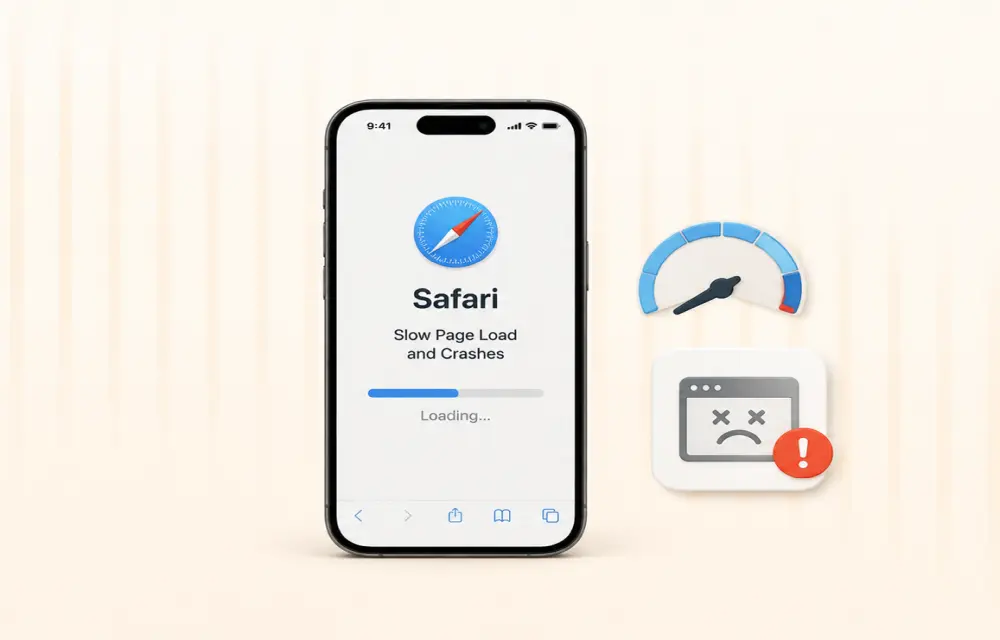
How to Fix Safari Slow Page Load and Crashes After iOS 26 Update
After installing iOS 26, many iPhone users are reporting that Safari has become noticeably slower. Pages take longer to load, scrolling feels laggy, and in some cases, the browser crashes altogether. While some performance dips are common after a major iOS update, the severity of these reports suggests deeper compatibility issues. The good news: most…

How to Fix Java4Shell (CVE-2026-114938): Check Your Java Version and Update
Oracle patched a serious Java flaw on November 17, 2026, and security researchers have nicknamed it Java4Shell. Tracked as CVE-2026-114938, it affects Java 17, 21, 25 and 27 and can be exploited over a network without a password. If you run Java on a server, a laptop or inside a container, the fix is simple:…
The week in tech, minus the noise.
New reviews, fixes and the stories that matter — once a week, straight to your inbox.
We only use your email to send the newsletter. Unsubscribe any time. See our privacy policy.
Comments