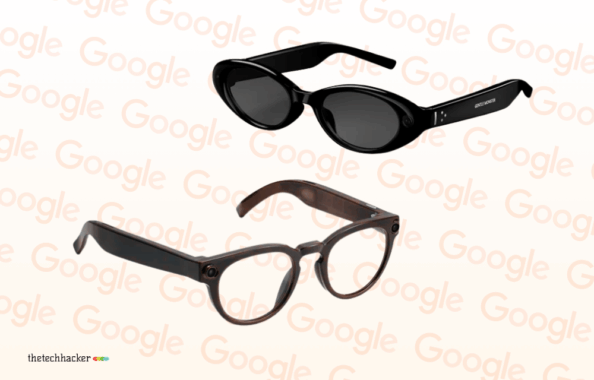
Quick Summary: Google and Samsung have officially unveiled their Android XR platform, a “fashion-first” ecosystem launching in Fall 2026. Designed to shift spatial computing from bulky headsets to stylish, everyday eyewear, the platform features a two-tier hardware approach—AI-native audio frames and advanced display-ready glasses—integrated with Gemini AI for real-time, context-aware assistance.
What is Android XR and Why Does It Matter?
For years, the promise of wearable computing has been hindered by heavy, “ski-goggle” headsets that look out of place in public. Android XR changes this by decoupling spatial computing from heavy hardware. By partnering with fashion-forward brands like Warby Parker and Gentle Monster, Google is ensuring that the technology stays “visually invisible” while providing powerful AI features via a deep software foundation.
The Two Layers of Android XR Hardware
Google’s platform categorizes devices into two distinct tiers to balance style with functionality:
-
Audio-Only Glasses (Launching Fall 2026): These are stylish, all-day accessories. They feature camera arrays, microphones, and open-ear speakers to provide AI-native assistance without blocking your view of the real world.
-
Display Glasses (Launching 2027): These models step up to waveguide displays, projecting text, translations, and mini-maps onto your field of view. To keep the frame weight under 90 grams, these devices route processing tasks to a pocket-sized “computing puck.”
Key Partnerships
-
Samsung: The launch partner for the “Galaxy Glasses” collection, designed for seamless integration within the broader Samsung Galaxy ecosystem.
-
Fashion Partners: Warby Parker and Gentle Monster are handling the frame aesthetics, ensuring the devices look like standard high-end eyewear.
-
XREAL: Showcasing “Project Aura,” a high-performance hardware concept that brings 6-degrees-of-freedom tracking and spatial hand gestures to a sunglass form factor.
Gemini AI: The Intelligence Behind the Lens
The Android XR experience is powered by context-aware Gemini AI, enabling:
-
What-You-See Search: Gemini analyzes live video to identify objects, read restaurant menus, or check store hours based on physical signage.
-
Heads-Up Navigation: Real-time overlays provided by Google Maps, allowing for intuitive navigation without looking down at a phone.
-
Privacy-First Features: The companion app includes “conversation detection,” which automatically silences notifications when it senses you are speaking to someone in person.
Comparison: Android XR vs. The Competition
| Competitor | Hardware Focus | Primary Strength |
| Android XR | Hybrid (Audio/Display) | Unified OS + Fashion-First Design |
| Ray-Ban Meta | Audio & AI Only | High consumer popularity & low price |
| Apple Vision Pro | Spatial Headset | Premium immersion & optics |
| XREAL (Legacy) | Screen Mirroring | Excellent cinema-style viewing |
Frequently Asked Questions (FAQ)
Do I need a specific phone to use Android XR glasses?
No. Android XR is an open platform. While Samsung’s hardware will have “Galaxy” optimizations, the base software is designed to work across all modern Android devices.
How do these compare to the Apple Vision Pro?
The biggest difference is the form factor and immersion method. Android XR glasses weigh under 90 grams and use “optical see-through” (you look directly through the glass), whereas the Apple Vision Pro is a 600g closed headset that uses digital cameras for passthrough.
How much will they cost?
While final retail pricing is pending, analysts expect the entry-level audio-only frames to retail between $300 and $500, positioning them to compete directly with Meta’s smart eyewear lineup.
Leave a Reply