

Malicious Memes, A New Malware Taking Hidden Screenshots In Twitter Accounts
Malicious memes." a new type of malware that receives its code instructions hidden in memes posted on Twitter and steals data by taking hidden screenshots.
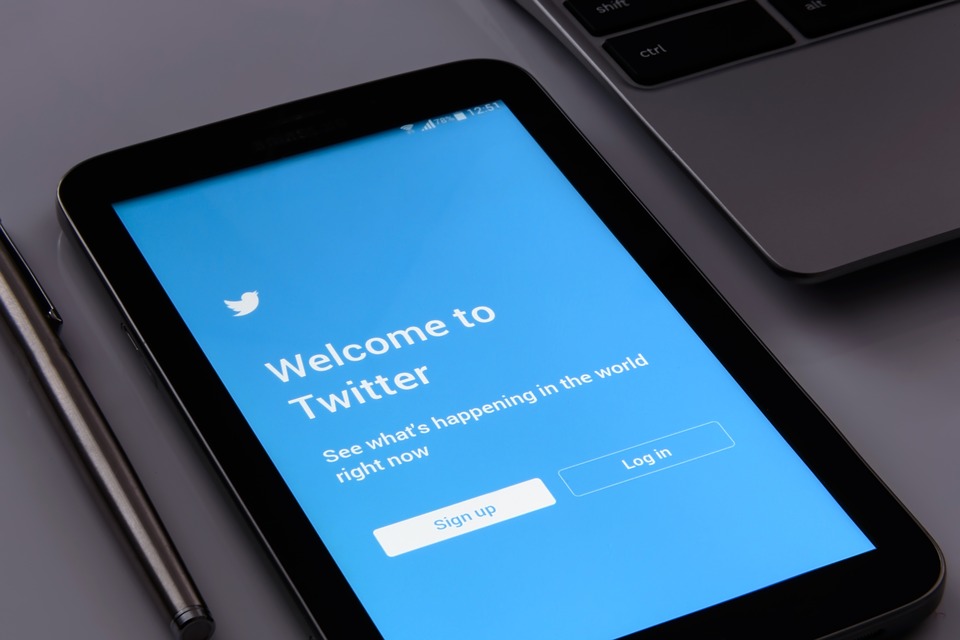
Trend Micro security researchers have identified a new threat that they have called “Malicious memes.” Basically, it’s a new type of malware that receives its code instructions hidden in memes posted on Twitter. Cybercriminals exploiting this by using an old technique (stenography) to hide malicious code in images and evade security, the novelty here is that they are using the technique in images that are shared in the social network.
The malware is itself not downloaded from Twitter and the process used to infect users has not yet been identified. It is a remote access Trojan that when infecting the computer can take screenshots and steal other system data that it then sends to its control server.
Is It An Experiment
Trend Micro identified the hackers and published two tweets with malicious memes last October through a Twitter account created in 2017. The memes contained an embedded command that the malware analyzes once it is downloaded to the computer of the victim.

The interesting thing about all this is that the malware is using Twitter as a medium to communicate with its malicious central. For example, two tweets contained “/ print” commands on the images that told the malware to take a capture on the infected computer.
Loe’s memes could also contain commands to steal the contents of the computer’s clipboard, file names in specific folders, or obtain a list of all the apps and processes running on the system. There is still much to be learned to understand how the new threat works, researchers believe it could be a proof of concept for future attacks. The account was permanently suspended from Twitter after the Trend Micro report.
More in News

Best Email Security Software for Small Businesses on Microsoft 365 and Google Workspace (2026)
A huge share of small business security incidents start in the same place: an inbox. Someone gets a convincing invoice from a “vendor” with new bank details, or a Microsoft sign-in page that looks right but isn’t, and by the time anyone notices, money or a password is gone. Microsoft 365 and Google Workspace both…
Do You Still Need Antivirus on Windows 11 and Mac in 2026?
Windows 11 and macOS both ship with built-in malware protection that’s on by default. Here’s what it covers, what paid suites add, and who should still pay for one.

Best Backup Software for PC and Mac in 2026: Free and Paid Options Compared
Windows and macOS both include free backup tools, and cloud services like Backblaze and Acronis add an offsite copy. Here’s how Windows Backup, File History, Time Machine, Backblaze, Acronis, IDrive and Carbonite compare, and which mix I’d pick.
The week in tech, minus the noise.
New reviews, fixes and the stories that matter — once a week, straight to your inbox.
We only use your email to send the newsletter. Unsubscribe any time. See our privacy policy.
Comments