

MIT Researchers develop superconducting Neuron which is as energy-efficient as Human brain
If you think about it, the most powerful computer is not a Super Computer, it is the Human Brain. Now, there are various factors that can be debated about

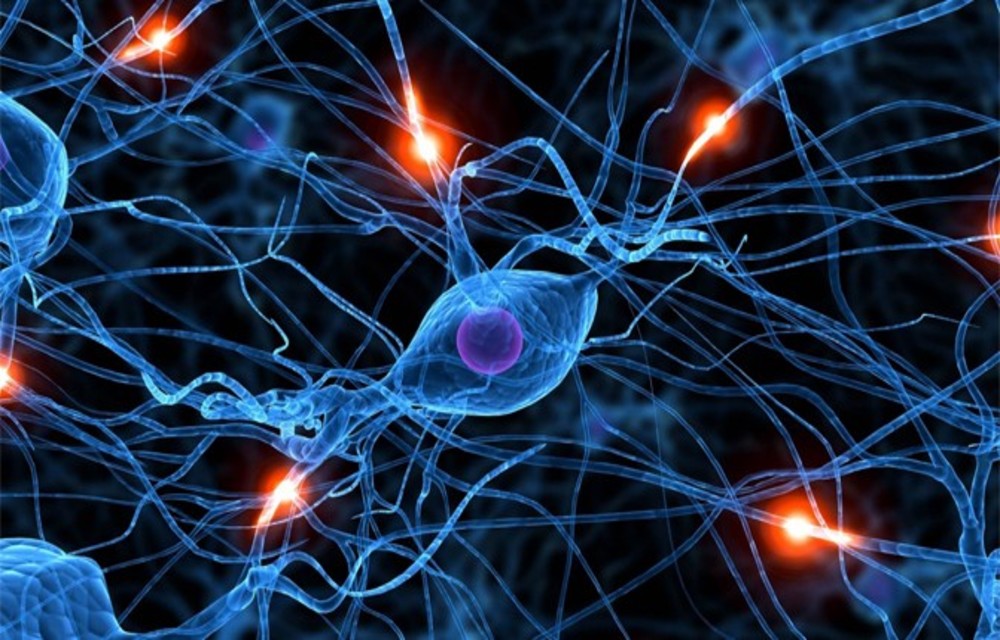
If you think about it, the most powerful computer is not a Super Computer, it is the Human Brain. Now, there are various factors that can be debated about this. However, we are not here to tell you how powerful a Human Brain is. Rather, we now have a superconducting neuron which is claimed to be similar in energy-efficiency as a human brain.
This neuron has been developed by a team of MIT Researchers led by Emily Toomey. They have made this superconducting neuron with the help of nanowires. Now, this is the first time that a neuron has the same power efficiency as a human brain. Prior to this, the human brain has been the most power-efficient by far and no neuron had come close to it.
Now, the credits of this achievement go to a particular nonlinear property of nanowires which is similar to how the human brain operates. This property is nanowires’ superconductivity, which breaks down when the current flowing through it exceeds the threshold level. Basically, the resistance increases when the superconductivity breaks down which results in voltage pulse. After that, the voltage pulse is used for modulating another pulse produced by the next superconducting nanowire.
As a result of this relay effect, a circuit of superconducting nanowires is created. This circuit possesses properties similar to a biological neuron such as refractory period, firing threshold and travel time. Toomey also showed how you can inhibit or trigger other neurons with the help of this superconducting neuron. This is the first time that a superconducting neuron has been able to control other neurons.
But the difference between this superconducting neuron and the human brain is still there. While the human brain connects each neuron to thousands of other neurons, this network can only connect a neuron to a handful of other neurons.
More in News

Was This Website Made With AI? Introducing the AI Website Detector
Today, this is becoming a very common question. You visit a website. It looks clean. The layout is modern. The colours are perfect. The sections are well aligned. There is a large heading, a gradient background, rounded cards, neat icons, client testimonials, and a strong call-to-action button. But then you start wondering: “Was this website…
Free AI Website Detector: Find Out If a Website Was Created by AI
Nowadays, we are seeing more websites created with artificial intelligence than ever before. A person can open an AI website builder, type a short prompt, choose a style, and generate a complete website within minutes. The result may include a homepage, navigation menu, call-to-action buttons, product cards, icons, illustrations, contact forms, responsive layouts, and even…

FBI Warns ARTEX AI Hacking Tool Can Breach Networks in Under Three Hours
The FBI says attackers use ARTEX, an AI hacking framework, to reach privileged access in under 3 hours. What it is, who is targeted and what to do.
The week in tech, minus the noise.
New reviews, fixes and the stories that matter — once a week, straight to your inbox.
We only use your email to send the newsletter. Unsubscribe any time. See our privacy policy.
Comments