

What Happened to vShare? Safe Alternatives for iPhone
Years ago, vShare was one of the best-known ways to get apps onto an iPhone without going through the App Store. We even published a guide on how to install it. A lot has changed since then, and we have replaced that guide. In this article, we explain what vShare was, what happened to it,…

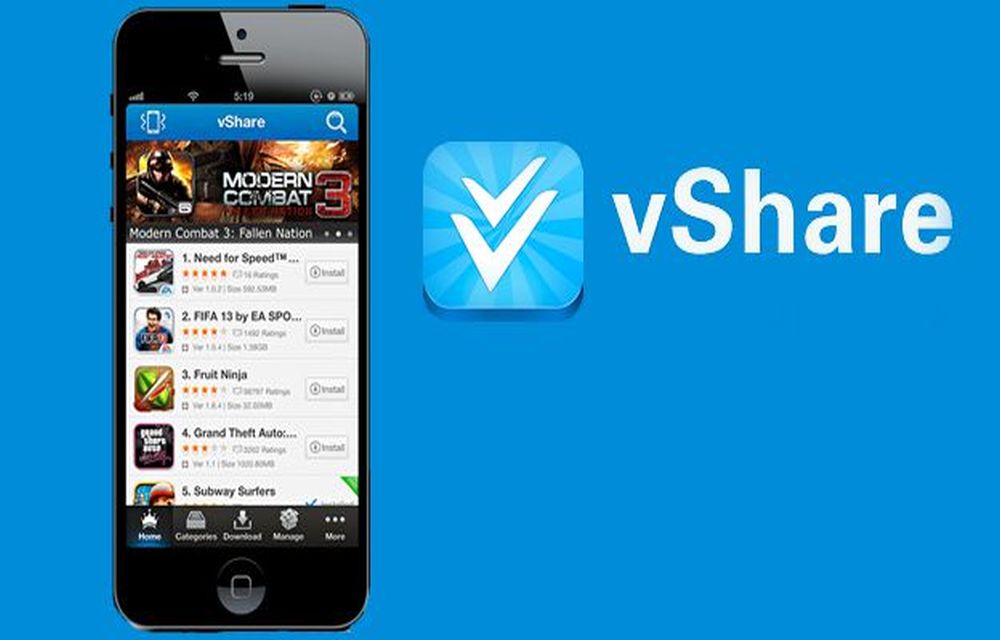
Years ago, vShare was one of the best-known ways to get apps onto an iPhone without going through the App Store. We even published a guide on how to install it. A lot has changed since then, and we have replaced that guide.
In this article, we explain what vShare was, what happened to it, why we don’t recommend it or similar app stores, and the safe ways to get apps on your iPhone or iPad today.
Please note: This article does not include download links or installation steps for vShare or any similar app store.
What Was vShare?
vShare was a third-party app store for iOS. It started out serving jailbroken devices, and later offered a way to install apps on iPhones and iPads without jailbreaking.
The big draw was that vShare offered paid App Store apps for free. Those were not free promotions from the developers. They were pirated copies of paid apps, distributed without permission.
What Happened to vShare?
In December 2015, security researchers at Proofpoint reported that vShare was distributing pirated iOS apps by misusing Apple’s enterprise developer certificates. These certificates are meant only for companies to install their own internal apps on employees’ devices. vShare used them to sign its app so it could be installed on regular iPhones without a jailbreak.
Reports at the time said the service had been running since around 2011 and that many of its most-downloaded iOS apps were free, pirated copies of top paid apps. Soon after the reports, people began having trouble installing vShare on newer versions of iOS, which suggested Apple had revoked the certificates involved, although Apple did not comment publicly.
Since then, Apple has continued to tighten iOS security and has said it terminates certificates used to distribute apps outside its rules. We could not confirm vShare’s current status, but it is not something we would install either way, and we have removed the old download link from this article.
Why We Don’t Recommend vShare or Similar App Stores
Earlier versions of this article linked to vShare’s website, included a screenshot of the vShare app, and described how to install it. We removed all of that. vShare was known for distributing pirated apps, and the same risks apply to any app store that offers paid iPhone apps for free.
1. Pirated apps
Downloading paid apps for free from an unofficial store is piracy. It can break copyright law in many countries and it takes money away from the developers who made the apps.
2. Malware and data theft
Apps from these stores have not been reviewed by Apple. When someone other than the developer modifies and re-signs an app, they can add code that tracks you, shows unwanted ads, or tries to steal your passwords and personal data.
3. Revoked certificates
Apps installed through misused enterprise certificates can stop working at any moment when Apple revokes the certificate. You are then left with apps that won’t open and data that may be lost.
4. Risky profiles and settings
These stores usually ask you to trust an unknown developer or install a configuration profile. That gives an unknown company more control over your device than you might realize.
5. Account problems
Using modified versions of apps and games can break their terms of service and may get your accounts suspended or banned.
Safe Alternatives to vShare for iPhone and iPad
1. The Apple App Store
The App Store is the safest and simplest way to get apps on iPhone and iPad. Every app is reviewed by Apple, updates install automatically, and you can request refunds through Apple’s official process if something goes wrong.
If price is the reason you looked for vShare, here are a few legal ways to save:
- Look for free versions, free trials, or free tiers of the apps you want.
- Use Family Sharing so up to six family members can share eligible purchases and subscriptions.
- Check whether an Apple subscription such as Apple Arcade covers the games you want to play.
- Watch for sales and price drops on paid apps.
2. Approved alternative app marketplaces in the EU
If you live in the European Union, Apple allows approved alternative app marketplaces on iPhone under the EU’s Digital Markets Act. To use them, your Apple Account region must be in an eligible EU country, you must be located in the EU, and your iPhone must be running a supported version of iOS. You download the marketplace from its developer’s website and then allow it in Settings.
Apps in these marketplaces still go through Apple’s notarization process, which includes security checks. Examples include the Epic Games Store and AltStore PAL. The list of marketplaces changes over time, and at least one has already shut down, so check what is currently available. Unlike vShare, these are legitimate stores approved under Apple’s rules, not a source of free copies of paid apps.
3. TestFlight for beta apps
Want to try apps before they are released? Apple’s TestFlight app lets developers invite testers to official beta versions. Many developers share public TestFlight links on their websites or social channels.
4. Web apps
Some services offer a web version you can open in Safari and add to your Home Screen. It is an easy way to use a service without installing anything from an unknown source.
How to Check If an iPhone App Is Safe
- Install apps only from the App Store, TestFlight, or an approved EU marketplace.
- Check that the developer name on the listing matches the real company.
- Read recent reviews and look at the App Privacy details on the App Store listing.
- Be suspicious of anything that offers paid apps, in-app purchases, or game currency for free.
- Never install configuration profiles or trust developer certificates from websites you don’t know.
- Keep iOS updated so you have the latest security fixes.
How to Remove vShare or Similar Apps
- Delete vShare and any apps you installed from it.
- Go to Settings, then General, then VPN & Device Management, and remove any profiles or developer apps you don’t recognize.
- Change the passwords for any accounts you used inside those apps, and turn on two-factor authentication.
- Reinstall the official versions of your apps from the App Store.
FAQ
Is vShare still working?
We could not confirm its current status. Reports from 2015 said Apple appeared to revoke the certificates vShare relied on. Either way, we don’t recommend installing it.
Is vShare legal?
vShare was reported to distribute pirated copies of paid iOS apps. Downloading paid apps for free from unofficial stores is piracy and can break the law in many countries.
Can vShare harm my iPhone?
Apps from unofficial stores have not been reviewed by Apple and can include tracking or malicious code. They can also stop working suddenly when certificates are revoked.
Can I install apps from outside the App Store legally?
Yes, in some cases. In the EU, you can use approved alternative app marketplaces, and anywhere you can join official beta tests through TestFlight.
Conclusion
vShare was popular because it promised paid iPhone apps for free, but it did that by distributing pirated apps through misused certificates. Today, the App Store, TestFlight, and approved EU marketplaces give you safe, legal ways to get apps, and features like free trials and Family Sharing can help you save money without the risks.
Did you use vShare back in the day? Let us know in the comment section below.
More in How-to
Is TutuApp Safe? Why We Don’t Recommend It (and Safe Alternatives)
TutuApp is one of those names that keeps coming up when people look for free versions of paid apps or “hacked” games on Android and iPhone. We used to have a guide on how to install it. We have replaced that guide, because after looking at how TutuApp works and the risks involved, we can’t…

Best Installaous Alternatives For IPA Installations
If you are facing any kind of errors or bugs during the installation of IPA files using Installaous you seriously need an alternative of Installaous. We hand picked some best Installous alternatives that you can use for your cracked IPA installations.
How to Take a Screenshot on iPhone, iPad, and iPod Touch
Sometimes we just need a screenshot. A screenshot is nothing but capturing of the screen at a present state. Reasons for taking screenshots is many, people just want to take a screenshot for remembering a thing on the screen or saving a sudden moment which is happened on screen. It is just like a print…
The week in tech, minus the noise.
New reviews, fixes and the stories that matter — once a week, straight to your inbox.
We only use your email to send the newsletter. Unsubscribe any time. See our privacy policy.
1 comment
Yes worked. Thanks!