

HIV Testing Via USB Stick: is it Possible?
HIV Testing Via USB Stick: is it Possible? Yes, it is. The latest technology says so. A research team from the Imperial college London founded the solution.
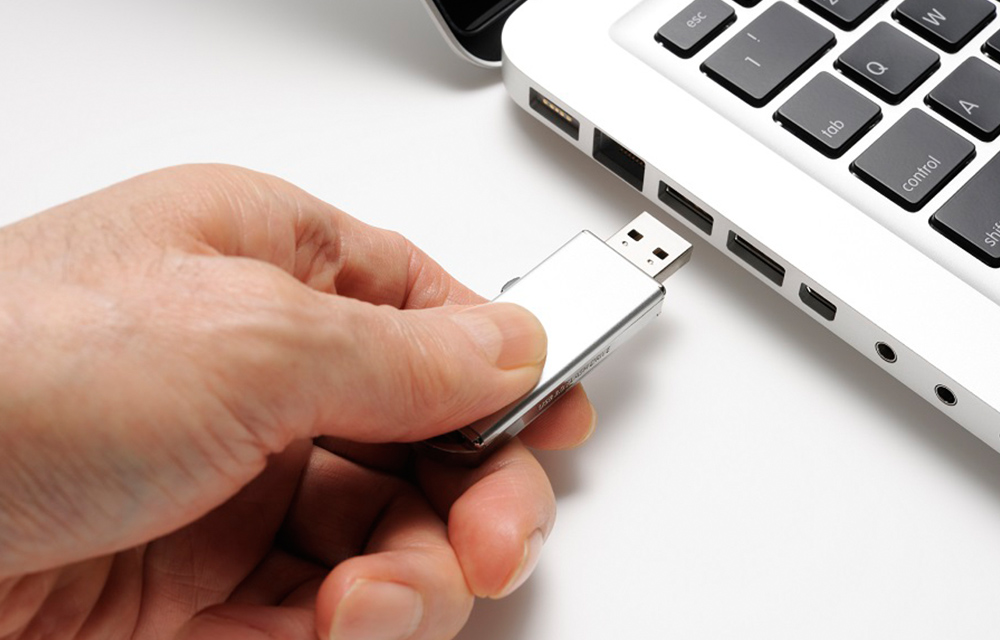
HIV needs no introduction. It’s a particularly evil and nasty fellow ever determined to grind you down and make your journey on this earth as short and miserable as possible. Well, the ceaseless fight against it just got another new weapon in its rather formidable arsenal. And wait for it. It’s on a USB stick, not in a hypodermic syringe or bitter swallowable tablets.
A brilliantly inventive research team from the Imperial College London partnered with DNA Electronics to develop the USB gizmology that might conceivably truly revolutionize the fight. It merely requires a blood sample to be placed on a mobile phone chip on the device, which will subsequently trigger an acidity change if HIV is detected. The acidity change is then transformed to an electrical signal which is sent to the device. The electrical signal is then read by a program on a computer, laptop or some other hand-held device.
The device can additionally determine the viral load of any blood sample placed on it. Thereby enabling the determination of the effectiveness or otherwise of antiretroviral medication being taken by patients and permitting their tweaking when necessary for optimum effectiveness, This technology promises incredibly speedy, portable, efficient and efficacious treatment for the masses who lack ready access to cutting-edge tech to manage their infection, particularly in Sub-Saharan Africa.
The new-fangled and highly welcome method currently has an accuracy rate of 95% and takes a little over 20 minutes to complete. Compare that with the current HIV laboratory tests that takes three days or more, require lots of trained professionals and a well-equipped laboratory to boot. The technology behind the device is additionally being tested in the fight against hepatitis and other diseases.
Now, if only the solution to the rest of the world’s problem could also come in the form of a USB stick or even a stick of kebab!
More in News
How to Fix “Headphones Not Recognized” on iPhone After iOS 26 Update
After the iOS 26 update, a small but noticeable group of iPhone users started reporting a strange issue: wired headphones are no longer being recognized properly. Some are stuck in speaker-only mode, while others see their headphones connect and disconnect randomly. Although most complaints are about wired headphones, a few Bluetooth users are facing similar…
How to Fix Android Auto Not Connecting After the One UI 9 Update
Android Auto stopped working after your Galaxy phone got One UI 9? Here’s what Google said about its fix, how to make sure you get it, and the wired and wireless workarounds worth trying while you wait.

How to Edit an Instagram Story After Posting (and What You Can’t Change)
For years, a typo in an Instagram Story meant deleting it, reposting it and losing every view it had already picked up. That’s finally over. On November 18, 2026, Instagram head Adam Mosseri announced that you can now edit a Story after it goes live. You get 15 minutes, though, and you can’t change everything.…
The week in tech, minus the noise.
New reviews, fixes and the stories that matter — once a week, straight to your inbox.
We only use your email to send the newsletter. Unsubscribe any time. See our privacy policy.
Comments