

Millions of Bluetooth devices once again found to be vulnerable to attacks
Ever since Bluetooth as a feature was introduced and Bluetooth devices have been launched, we know that they have been a security risk. Yes, we have still


Ever since Bluetooth as a feature was introduced and Bluetooth devices have been launched, we know that they have been a security risk. Yes, we have still been using those devices because security measures have been taken as well. However, time and again we see that new vulnerabilities have been found in Bluetooth devices. One such vulnerability has been revealed once again which is related to working of Bluetooth in general.
You might have seen that Bluetooth devices often connect to each other when they come in close proximity. However, you might not be interested to know how this actually happens. Well, this happens because all the Bluetooth devices constantly broadcast messages in the open. This messages can be seen as someone introducing itself to other people randomly. Basically, the Bluetooth devices are saying that “I am a Fitbit device named so and so”. This helps the other device to know that the Bluetooth device is a recognizable one and connects to them.
Now, this is where the problem likes. As the Bluetooth devices broadcast their messages, anyone can fetch them and understand them. Later, they can hijack parts of the message to create a false positive and connect unknown devices to your Bluetooth device. This means that your device becomes vulnerable to tracking and getting hijacked as well.
However, companies have taken steps to counter these. A new technology called randomization has been introduced which means that the Bluetooth devices don’t broadcast the same message every time. Instead, a random message with a hidden address is broadcasted. But the problem here is that many companies don’t make use of this technique due to cost-cutting, lack of resources and various other reasons. It has been found that Fitbit devices don’t use this technique and so they are very vulnerable. However, Apple and Microsoft are found to be using this technique so they are less likely to be tracked.
More in News

November 2026 Patch Tuesday: Outlook Zero-Day Fixed, USB Audio Code 10 Bug Finally Solved
Patch Tuesday landed on November 10 this month, and for once the Outlook part of the release matters more than the Windows part. Microsoft fixed a spoofing bug in Outlook (CVE-2026-124194) that it says was already being exploited before the patch was ready, and that fix doesn’t come through Windows Update at all, it comes…
Update Chrome Now: Google Fixes Actively Exploited Zero-Day CVE-2026-125350
Google fixed an actively exploited Chrome zero-day, CVE-2026-125350. Which versions fix it, how to update Chrome on every device, and Edge and Brave fixes.
How to Fix “Headphones Not Recognized” on iPhone After iOS 26 Update
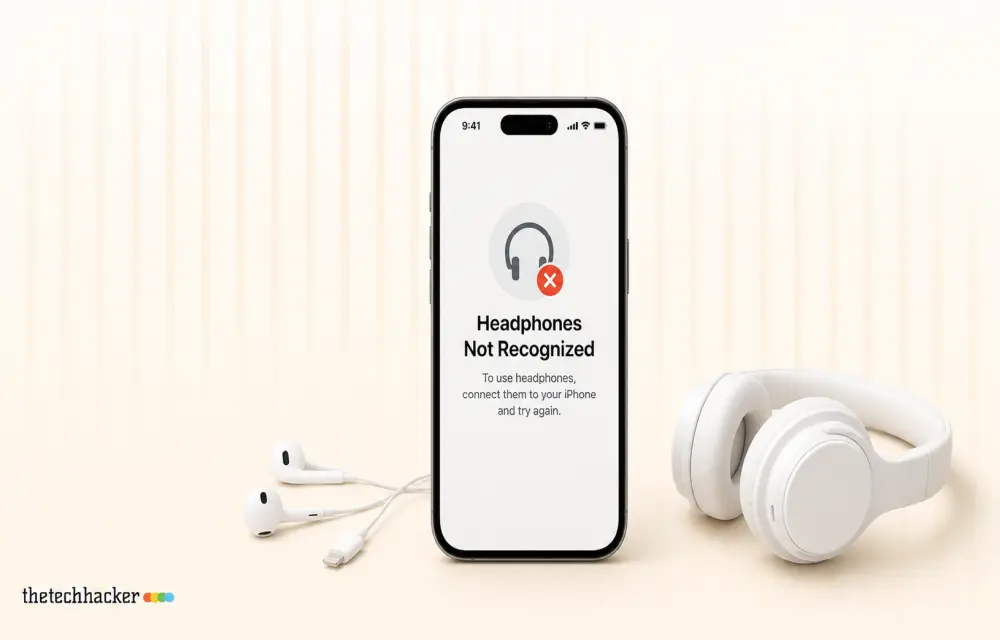
After the iOS 26 update, a small but noticeable group of iPhone users started reporting a strange issue: wired headphones are no longer being recognized properly. Some are stuck in speaker-only mode, while others see their headphones connect and disconnect randomly. Although most complaints are about wired headphones, a few Bluetooth users are facing similar…
The week in tech, minus the noise.
New reviews, fixes and the stories that matter — once a week, straight to your inbox.
We only use your email to send the newsletter. Unsubscribe any time. See our privacy policy.
Comments