

How To Uninstall A Microsoft Windows OS Update
After installing updates sometimes, we face unexpected system crashing problems, errors and blue screen of death problems. It is always advisable to maintain your system up to date, but after updates if issues are raised you can uninstall Windows update manually.

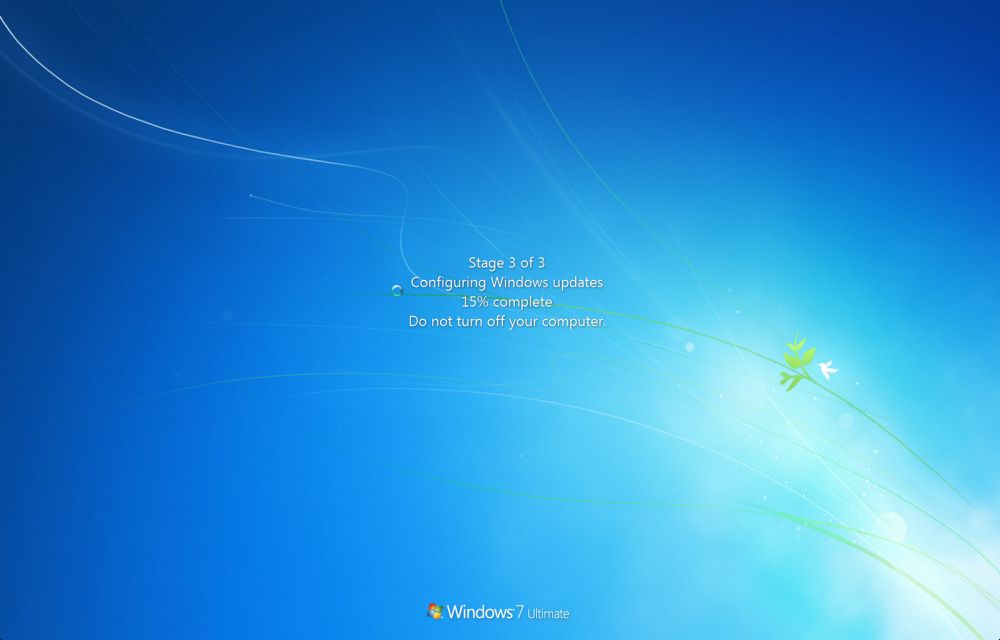
Microsoft regularly releases updates to Windows Operating system to improve system performance, fix bugs and resolve security issues. Every system by default Automatic updates are enabled and Windows prompts you to restart the computer after installing all updates.
After installing updates sometimes, we face unexpected system crashing problems, errors and blue screen of death problems. The reason for crashes is still unknown and the next update will fix this issue. But when we can expect next update? tomorrow or next week? Meanwhile, you face this issue while using it. If you are looking for a way to fix this issue, our tutorial will help. It is always advisable to maintain your system up to date, but after updates, if issues are raised you can uninstall Windows update manually.
How to Uninstall a Windows Update-Simple Guide

- First open control panel, you can easily open a control panel by right-clicking on the Windows start button, here you’ll find Control Panel option.

- Here in the Control Panel find “Programs and Features” link and open it. Next, on the left side of the windows, you’ll see “View Installed Updates” link. Now click on the link to open.
- Here you can see all the latest installed Windows Updates with version number update date and publisher ID.
- In the list of updates first, you need to find out which update is causing issues with your system. By checking on system failure dates and installed update time you can easily find out the problem causing the update.
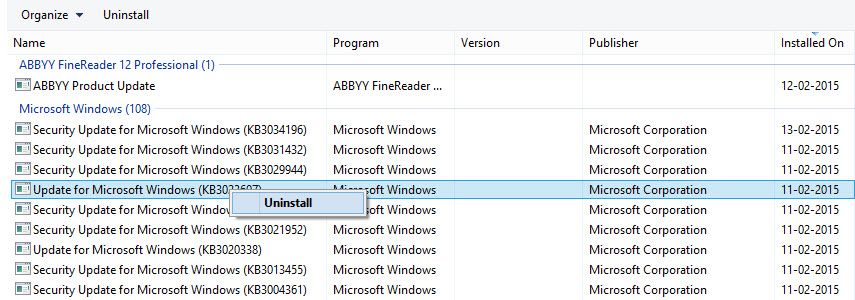
- After finding problematic update simply right-click on the update and “Uninstall” it.
- If you want to get rid of the update problems in future you can easily avoid the Automatic Update feature by clicking on the “System and Security” > “Windows Update” here click on “Turn automatic updating on or off”.
That’s all for now. Please do share your views and feedback in the comment box below. Also, please don’t forget to share the article on your social media platforms.
More in Windows
How to Fix Windows 11 Widgets Not Working
Windows 11’s Widgets panel gives quick glances at weather, news, stocks, and more right from your taskbar. But if clicking the icon does nothing, shows a blank screen, or fails to load, it’s a common technical glitch. Often tied to missing components like Edge WebView2 or the Windows Web Experience Pack, these fixes get most…
How to Uninstall Cortana
Cortana is a virtual and personal assistant developed by Microsoft. This features enabled with Windows 10 Operating system as a default feature. Recently I stumbled the Internet and many people searching for “how to uninstall Cortana.” Reasons are many for uninstalling Cortana, it is mainly due to some security reasons. To serve you better, Cortana…

Windows 10 Sound Not Working? Use these Fixes
Windows 10 is the latest Microsoft OS for the computers. Microsoft made a lot of changes to the recent Windows versions to craft a perfect OS like Windows 10. However, still, there are few issues reported by the users. The sound problem is one of them. Many users reported that they are not able to…
The week in tech, minus the noise.
New reviews, fixes and the stories that matter — once a week, straight to your inbox.
We only use your email to send the newsletter. Unsubscribe any time. See our privacy policy.
Comments