

Here’s How you Can Hide App Folder Names in iOS
There are two types of smartphone users: those who like to keep their phones simple and those who like to customise them. Now, if you are one of the latter smartphone users, then Android has long been the go-to option for you. However, if you are using iOS, then we have something for you too.…

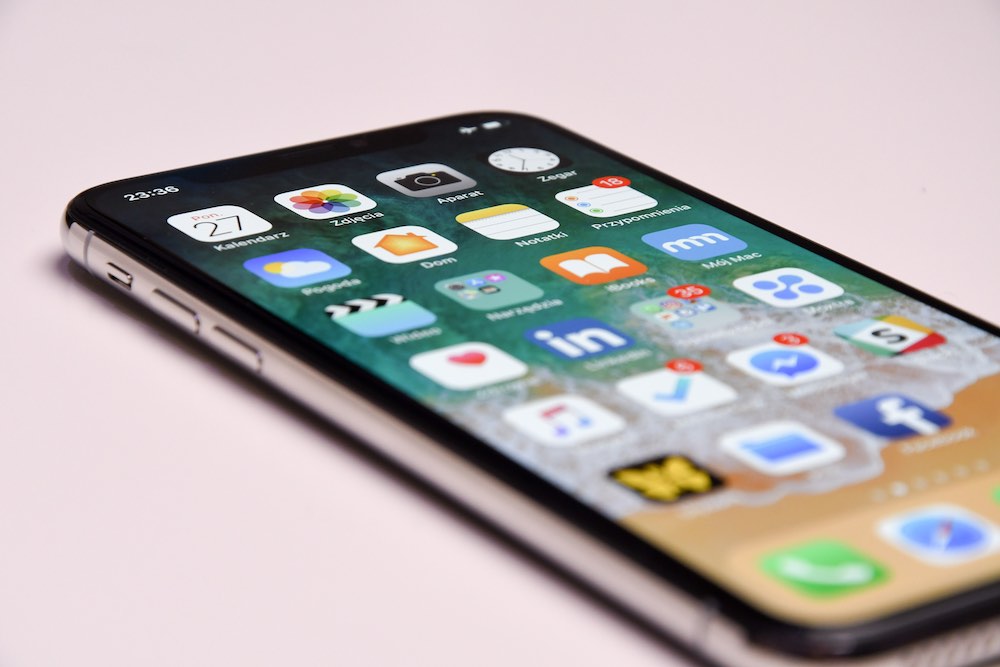
Here’s How you Can Hide App Folder Names in iOS
There are two types of smartphone users: those who like to keep their phones simple and those who like to customise them. Now, if you are one of the latter smartphone users, then Android has long been the go-to option for you.
However, if you are using iOS, then we have something for you too. You must have seen people organising their folders with same-coloured icons and then naming each folder after that colour. Some people go one step further and hide the folder names entirely for a cleaner Home Screen.
Apple does not let you leave a folder name blank. If you delete the name and tap Done, iOS simply gives the folder a name again. In this article, we will explain the popular “blank character” trick for hiding folder names, be honest about whether it still works, and show you the built-in alternatives for a clean, minimal iPhone Home Screen.
The blank character trick (may not work on current iOS)
The idea behind this trick is to name the folder with a character that looks like nothing. A normal space does not work, because iOS treats a name made only of spaces as empty. So people used the Unicode Braille Pattern Blank character (U+2800) instead. It counts as a real character, but nothing is shown on the screen.
Copy the “blank space” between the brackets below. Copy only the character between the brackets, not the brackets themselves.
(⠀)
Important: This trick was popular on older versions of iOS, but it is not reliable on current iPhones. Depending on your iOS version, the folder may show a dot or a box, iOS may replace the name with a suggested one, or the name may not save at all. Apple does not officially support it, so treat it as an experiment. If it does not work on your device, skip to the alternatives below.
If you want to try it, here is how:
- Copy the blank character above. It helps to paste it into the Notes app first so you can copy it again later.
- On your Home Screen, touch and hold the folder until a menu appears, then tap Rename. On some versions, you need to open the folder and then touch and hold its name.
- Delete the current name by tapping the x in the text field.
- Paste the blank character and tap Done, or tap an empty area of the screen.
If you see a visible symbol or the old name comes back, the trick is not supported on your iOS version. You can rename the folder normally to undo it.
Better alternatives for a clean Home Screen
1. Use the App Library
Since iOS 14, every app lives in the App Library, which you reach by swiping left past your last Home Screen page. It groups your apps automatically, so you can remove many apps and folders from the Home Screen without deleting them.
- Touch and hold an app on the Home Screen.
- Tap Remove App.
- Choose Remove from Home Screen. The app stays installed and can still be found in the App Library or through Search.
To stop new apps from appearing on your Home Screen, go to Settings > Home Screen & App Library (simply Home Screen on older versions) and choose App Library Only.
2. Hide whole Home Screen pages
If you have a page full of folders you rarely need, you can hide the whole page instead.
- Touch and hold an empty area of the Home Screen until the apps jiggle.
- Tap the row of dots above the Dock.
- Uncheck the pages you want to hide, then tap Done.
The apps on hidden pages remain available in the App Library. You can bring a page back at any time by checking it again.
3. Use large icons without labels (iOS 18 and later)
From iOS 18, you can make Home Screen icons larger, which also removes the app names under them. Touch and hold an empty area of the Home Screen, tap Edit, then Customize, and choose Large. This is the official way to get a label-free look. How folder names appear with this option may vary, so check the result on your own device.
4. Use emoji as folder names
If you just want short, tidy folder names, an emoji works well. For example, use 🎵 for music apps or 💬 for chat apps. It looks almost as clean as a blank name and works on every version of iOS.
Frequently asked questions
Can I leave a folder name completely blank on iPhone?
No. iOS does not allow an empty folder name. If you delete the name, iOS will give the folder a name again.
Is it safe to use the Braille blank character?
Yes, it is just a text character and will not harm your iPhone. The only downside is that it may not display as blank on current iOS versions.
Will removing an app from the Home Screen delete it?
No. Remove from Home Screen only hides the icon. Your app and its data stay on the iPhone, and you can open it from the App Library.
We hope this guide helped you get the clean Home Screen you wanted. Let us know in the comment section below which method worked for you.
More in Tech Stories
You Can Recognize and Stay Away From Fake Apps on Android and iOS App Store in this Way
We have all been using plenty of apps on our smartphones day in and day out. Most of these apps are some sort of messaging or communication as well as social media apps. However, there are apps such as games and other productivity stuff too. Now, these apps have the highest chances of having a…

Secure Your Browsing History With Keepsafe Browser
Keepsafe is a company that has long established itself in the Google Play Store as well as the iOS App Store. Some of the notable applications released by the company are Blur for iMessage released for iOS and Photo Vault released for iOS and Android. However, the company is back with another application available on…

You Can Now Create Custom Stickers for Instagram Stories With This App
Instagram has always been a place where people love to share their photos. There are many people are in the world are active Instagram followers, who admire beautiful photos online. Also, it has become a trend nowadays to use the filters on each and every photo that has been posted. And we would agree that…
The week in tech, minus the noise.
New reviews, fixes and the stories that matter — once a week, straight to your inbox.
We only use your email to send the newsletter. Unsubscribe any time. See our privacy policy.
Comments