

Legal Torrent Sites: Where to Download Torrents Legally (and Safely)
BitTorrent has a bad reputation, but the technology itself is not the problem. It is simply a fast, efficient way to share large files, and plenty of organizations use it to distribute content legally. In this guide, we explain what BitTorrent is, where you can download torrents legally, how private trackers work in general, and…

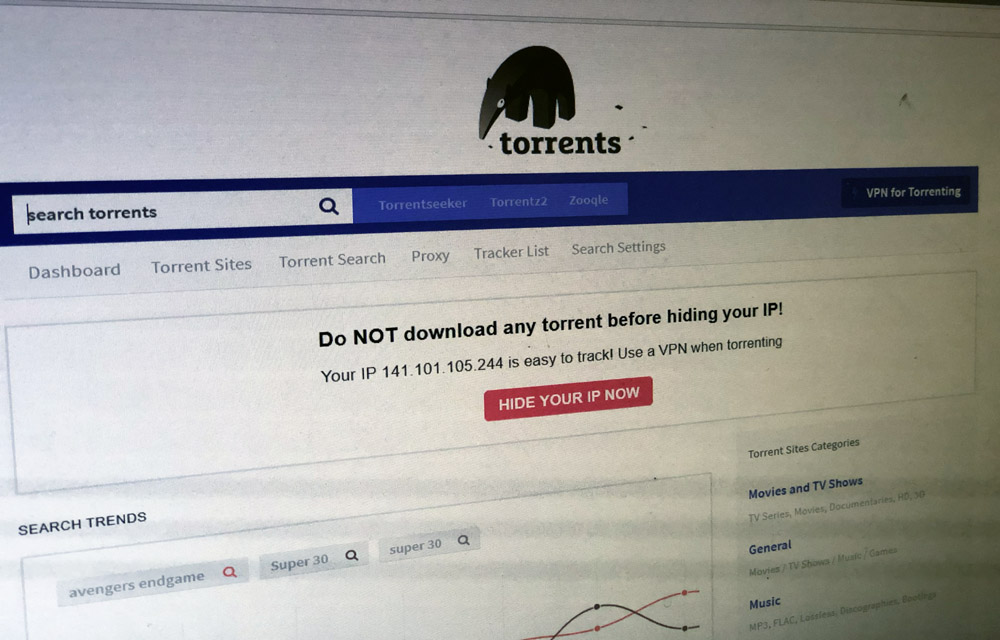
The Best Private Trackers for regular Torrent users
BitTorrent has a bad reputation, but the technology itself is not the problem. It is simply a fast, efficient way to share large files, and plenty of organizations use it to distribute content legally.
In this guide, we explain what BitTorrent is, where you can download torrents legally, how private trackers work in general, and how to stay safe while using a torrent client.
What Is BitTorrent?
BitTorrent is a peer-to-peer (P2P) file-sharing protocol. Instead of downloading a file from one server, you download small pieces of it from many other people at the same time. While you download, you also upload pieces to others. This is called “seeding”.
A few terms you will see:
- Torrent file or magnet link: A small file or link that tells your client what to download and how to find other peers.
- Tracker: A server that helps peers find each other.
- Seeders: People who have the full file and are sharing it.
- Leechers: People who are still downloading.
- Client: The app you use to download and share torrents.
Because the load is spread across many users, BitTorrent is great for very large files, like operating system images and big datasets.
Is Torrenting Legal?
Yes, BitTorrent is a legal technology. What matters is what you download and share. Downloading Linux, public domain films, or files the owner chose to share this way is perfectly fine. Downloading and sharing copyrighted movies, music, games, or software without permission is illegal in most countries.
Also remember that with BitTorrent you are usually uploading too. That means you may be distributing a file, not just downloading it, which is something rights holders pay close attention to.
Legal Torrent Sites and Sources
Here are some well-known, legal places to get torrents. Each one offers torrents for content that is free to share.
1. Internet Archive
The Internet Archive offers BitTorrent downloads for a huge number of items in its public collections. Many items include a torrent download option next to the regular download link. It is a great source for public domain films, old books, audio recordings, and historical software that the Archive is allowed to share.
2. Linux distributions
Most major Linux distributions provide official torrents for their installation images. This is one of the most common legal uses of BitTorrent. Examples include:
- Ubuntu, which lists BitTorrent on its alternative downloads page.
- Debian, which offers official CD and DVD images through BitTorrent.
- Fedora, which runs its own torrent page.
- Linux Mint, which offers a torrent download for each edition.
Torrenting a Linux image also helps the project save on server costs, especially on release day.
3. Academic Torrents
Academic Torrents is a platform for sharing research datasets, papers, and course materials. Researchers use it to distribute very large datasets that would be expensive to host on a single server. If you work in data science, machine learning, or research, it is worth a look.
4. Public domain and Creative Commons content
Many independent creators, open-source projects, and archives share their work under Creative Commons or other free licenses. If a creator or project offers an official torrent on its own website, you can usually download and share it. Always check the license, since some Creative Commons licenses don’t allow commercial use or changes.
5. Official downloads from software projects
Some open-source software projects and creators offer torrents as an alternative download method for large files. The rule of thumb is simple: if the torrent comes from the official website of the person or project that owns the content, it is the legal way to get it.
How Private Trackers Work
You may have heard about private trackers. These are invite-only or registration-only torrent communities. In general terms, they work like this:
- You need an account, and many only accept new members by invitation or during limited open sign-up periods.
- They track how much you upload and download, often called your “ratio”.
- Members who don’t share enough can lose their accounts.
- Rules are usually strict about file quality and naming.
Private trackers are not automatically legal or illegal. Some private communities share legal content, such as live concert recordings from bands that allow taping, or open-source software. However, many private trackers exist to share copyrighted content, and being “private” does not make that legal. We don’t list or recommend specific private trackers, and we suggest you stick to the official legal sources above.
The Risks of Pirated Torrents
Downloading pirated content through torrents comes with real risks:
- Legal notices: Your IP address is visible to other peers in a torrent. Rights holders monitor popular torrents and can send copyright notices through your internet provider.
- Account action: Some internet providers may warn, slow down, or suspend users who receive repeated notices.
- Fines or lawsuits: In some countries, rights holders can take legal action against people who share copyrighted files.
- Malware: Pirated software, games, and “cracks” are a common way to spread malware, ransomware, and crypto miners.
- Fake files: Fake movies that ask you to download a special “codec” or “player” are a classic trick.
Why We Don’t Recommend Unofficial Torrent Sites and Trackers
Earlier versions of this article listed private trackers and places to find invites for them. We removed them. Most of these communities were built around sharing copyrighted content without permission, and invite trading can expose you to scams and stolen accounts. Pointing readers to them doesn’t help anyone stay safe or legal.
Instead, we focus on sources that publish their own content through BitTorrent, so you can enjoy fast downloads without the legal or security worries.
How to Torrent Safely
Even when you only download legal files, a few habits will keep you safe.
Use a trusted, open-source client
We prefer open-source clients like qBittorrent or Transmission. They don’t include ads or bundled software. Download them only from their official websites or your operating system’s official app store.
Download from the official source
Get the torrent file or magnet link directly from the project’s own website, like the Ubuntu or Debian download pages. Some projects also publish checksums (SHA256), which let you confirm the file hasn’t been changed.
Check the files before you open them
- Look at the file list before you start the download.
- Be careful with any .exe, .bat, .scr, or .msi file in a torrent that should only contain videos, books, or images.
- Verify checksums when the source provides them.
- Scan downloaded files with your antivirus before opening them.
If something seems off, read our guide to the best malware removal tools.
Keep your firewall and system updated
Keep your firewall turned on, and let your torrent client through only when it asks. Update your operating system, your client, and your antivirus regularly. In your client’s settings, you can also limit upload speed and the number of connections so torrenting doesn’t slow down your whole network.
Be smart about privacy
A reputable VPN can help protect your privacy on public Wi-Fi and hide your browsing from your network. Just remember that a VPN does not make pirated downloads legal. If you want one, check out our list of the best VPNs for Windows, and always follow your VPN provider’s terms of service.
FAQ
Are torrent sites legal?
Torrent sites that share content with the owner’s permission, like Linux distributions, the Internet Archive, and Academic Torrents, are legal. Sites that share copyrighted content without permission are not.
Can I get in trouble for torrenting?
You can get in trouble for downloading or sharing copyrighted content without permission. Torrenting legal files, like a Linux ISO, won’t get you in trouble.
Are private trackers legal?
Being private doesn’t make a tracker legal or illegal. It depends on what is shared. Many private trackers share copyrighted content without permission, so we don’t recommend them.
What is the safest torrent client?
Open-source clients like qBittorrent and Transmission are popular because they have no ads or bundled software. Always download them from their official websites.
Do I need a VPN to torrent legally?
No. You don’t need a VPN to download legal torrents. A VPN can add privacy, but it doesn’t change whether a download is legal.
Conclusion
BitTorrent is a legal, useful technology, and there are plenty of legal torrent sites to use it with. Stick to official sources like Linux distributions, the Internet Archive, and Academic Torrents, use a trusted open-source client, and check your files before opening them. That way, you get the speed of torrents without the legal and security risks.
What do you use BitTorrent for? Let us know in the comment section below.
More in Best Services

Best Free Legal TV Streaming Sites
Streaming subscriptions add up fast. The good news is that you can watch thousands of movies, TV shows, and live channels for free, completely legally. Free, ad-supported streaming services have grown into a huge part of how people watch TV, and many of them work on almost every device. In this guide, we list the…
Do you need VPN on iOS? The reasons you must know
Most of us use iOS devices. iPhones and iPads are becoming part of our life. Usually, we use them for our financial transactions, messaging, social networks and many other works. So, we are using the internet available on iOS for doing many of our personal tasks. Yes, we absolutely need a VPN on an iOS…

How to Unblock Skype Anywhere in the World: Best VPNs for Skype
Skype is a very popular messenger client available for all platforms. Skype is designed in such a way to simplify the distance between people every nook and corner of the World. It has a voice, video, and the group calling features for individuals and as well as business people to connect with their loved ones…
The week in tech, minus the noise.
New reviews, fixes and the stories that matter — once a week, straight to your inbox.
We only use your email to send the newsletter. Unsubscribe any time. See our privacy policy.
1 comment
If you want to stay unspotted and download stuff without exposing your real IP there is nothing better than using a VPN. I have Nord for a year or something and till this day I’m anonymous and download different stuff. If my speed without a VPN is something round 90 mbs, with NordVPN it’s 80 mbs not a big difference at all.