

How To Organize your media with the Plex Media Server
Plex is a program for Windows that serves as a media server. With Plex Media Server, you can organize your media collection. From a local or remote computer that is running Plex Media Server, it gives the user the ability to manage and playback audio and video files, as well as photography and podcasts. Plex…

Plex is a program for Windows that serves as a media server. With Plex Media Server, you can organize your media collection. From a local or remote computer that is running Plex Media Server, it gives the user the ability to manage and playback audio and video files, as well as photography and podcasts.
Plex can satisfy your requirements in situations where you wish to stream your music and movies from one computer to another computer located across the home, or even to your mobile device or tablet.
Minimum system requirements for Plex:
• Windows XP SP3, Vista, or Windows 7
• Flash and Silverlight video require Windows Vista or Windows 7
• Direct X 9.0c compatible graphics card
• An Intel Core 2 Duo processor or equivalent
• At least 2GB of RAM; 4GB recommended
To play Flash and Silverlight video, you will need to install the plug-ins on your computer before running the Plex Media Server. Install the Flash version from here and make sure you select the “Other Browser” version.

Setting Up and Managing Your Media Library:
- After a successful installation, you should see a little Plex icon in your toolbar.
- Right-clicking on the icon should bring up a list of options. Select “Media Manager.” This will launch the Plex Media Manager in your default web browser via port 32400.
- At this point, you can go ahead and start adding your media library, but first, let’s take a look at the various settings available via the “Preferences” link at the upper right-hand corner of the screen.
- The first option is “General.”. Here you can choose a custom name for your PMS, which will appear on any device that connects to the PMS.
- Next up is “Library,” which allows you to set specific options, such as how often PMS should update its library.
- If you are a 3G user, the “Trans-coding” section will give you the option to allow PMS to offer higher bit rates when transcoding over 3G.
- There is a feature called “myPlex,” which allows you to tie in PMS with all your Plex clients. You can sign up for a myPlex account here.
- With the preferences set, it is time to add our media library. Back on the Plex Media Manager screen, simply click the specific media you are looking to add under the “Add Media To Your Library” section. A pop-up box should appear where you can point PMS to your media location.
- It will take some time to gather your media library, depending on the size of your library.
Plex Clients:
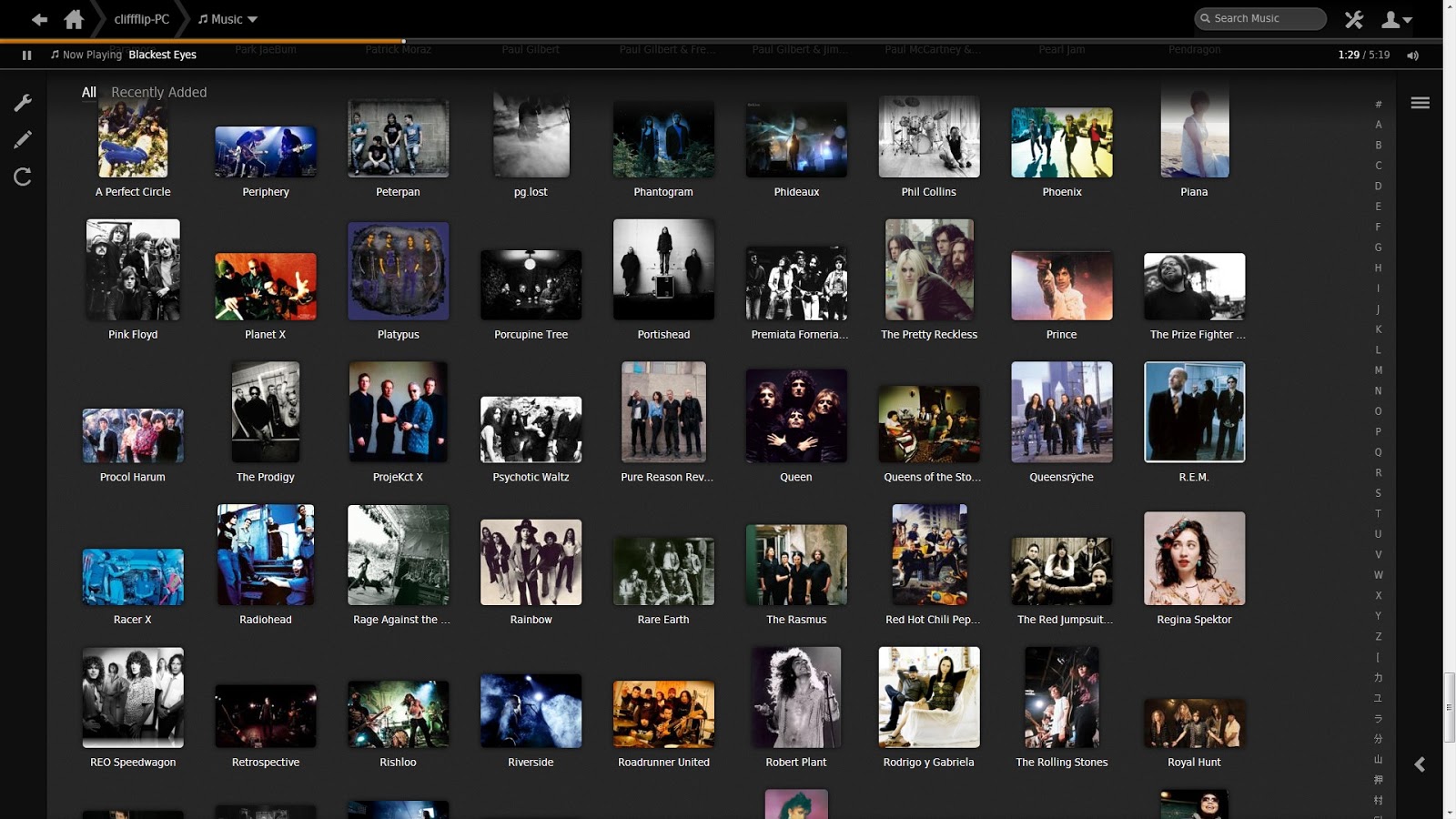
Now that your Plex library is set up with PMS, the final step is to have a client that will connect to PMS for viewing. Currently, the choices are as follows:
- Plex on your Desktop (i.e. HTPC)
- Plex for mobile devices (iOS and Android)
- Plex for connected devices (2011 and 2012 LG Smart TVs, Google TV, and Roku).
Via Mediasmartserver
More in How-to

How to use NordVPN on Linux?
NordVPN doesn’t need any introduction in the VPNverse. Yes, it is a very popular VPN service with strong security, safety, and privacy. It offers the most premium features of a VPN at an affordable price. This VPN is also popular for its number of servers worldwide. Another interesting feature of NordVPN is its platform compatibility.…

How To Construct A Server Rack
Server racks are steadily becoming common nowadays. They are an important tool in organizing different aspects of a back-end computer network that include storage, servers and networking equipments like switches and routers. Many people choose to purchase one at a nearby store, but their price tags can be rather high.

How to Use a VPN With Kodi
Kodi is an open source media server software. You can utilize it to configure your own in-house Netflix service on your home network. You’ve got a lot of configuring with Kodi. You may choose to use your purchased media content to stream it across multiple devices using Kodi – or just use an Add-on to…
The week in tech, minus the noise.
New reviews, fixes and the stories that matter — once a week, straight to your inbox.
We only use your email to send the newsletter. Unsubscribe any time. See our privacy policy.
Comments