

How to Turn Written Content Into Audio Without Recording It Yourself
That matters because people increasingly consume information while commuting, walking, or cooking. The trick is not to treat audio as a second-rate version of an article. It works best when you adapt the content for ears rather than simply making every paragraph talk. Why Turn Text Into Audio? The obvious advantage is flexibility. A long…

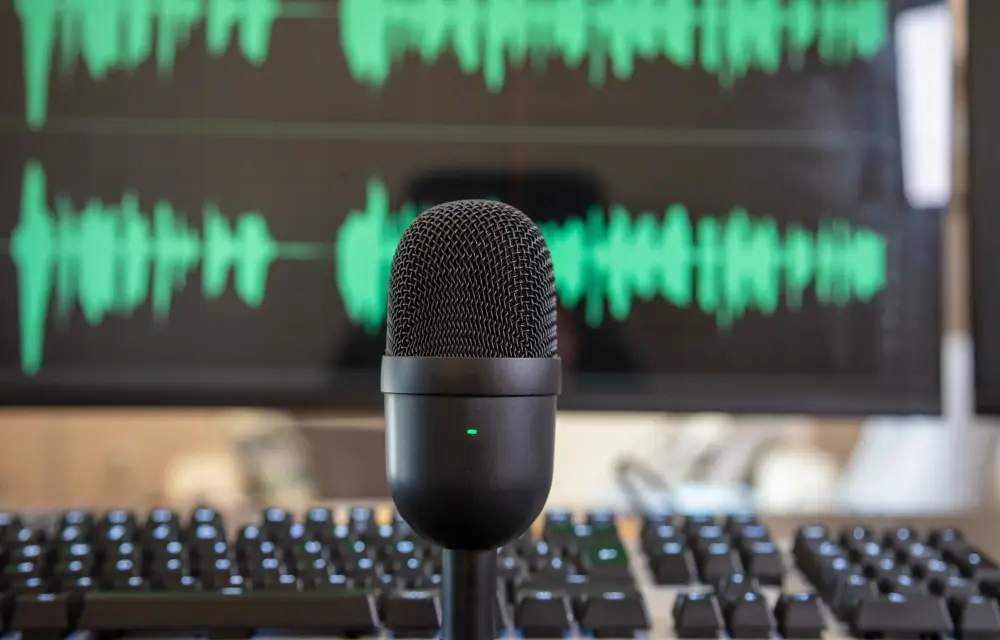
How to Turn Written Content Into Audio Without Recording It Yourself
That matters because people increasingly consume information while commuting, walking, or cooking.
The trick is not to treat audio as a second-rate version of an article. It works best when you adapt the content for ears rather than simply making every paragraph talk.
Why Turn Text Into Audio?
The obvious advantage is flexibility. A long guide that might be difficult to read during a busy day becomes something a reader can play in the background.
Audio can also make content more accessible. Some readers absorb information more comfortably by listening, while others may want both formats. For creators, adding audio can extend the useful life of work they have already produced.
Start With the Right Content
Not everything is right for audio. A how-to guide, explainer, recipe, interview with an expert, information from a book, newsletter, special message or article is typically a better candidate for audio media than a dense page of data, tables, screenshots, or visual information.
If someone listening can’t understand what you mean without a screen in front of them, audio alone probably isn’t enough.
Rewrite for Listening
This is where many automated audio projects go wrong. Written language and spoken language are not identical.
Break up long sentences. Spell the acronyms the first time you say them. Modify any instructions using charts so you can skip the chart. Insert transitions so the listener knows when to expect the next point.
You don’t have to totally reword everything. However, review it quickly for mistakes.
Choose a Voice Carefully
The voice you choose needs to match your content. A guide about software may benefit from a cool, fresh style while an interesting article about science fiction should be more captivating.
Modern TTS tools can produce much more natural speech than the robotic computer voices from older software. Still, listen to the output before publishing it. Pronunciation, pacing, emphasis, and unusual names can all need adjustment.
Make the Audio Worth Listening To
Good narration is only the beginning. Clean up awkward pauses, remove repetitive sections, and consider adding subtle music or sound effects when they genuinely help.
Most importantly, give the listener a reason to stay. An audio version should have a clear opening, logical progression, and satisfying ending.
Where This Fits Best
You can use audio articles on a website, in a newsletter, inside an app, or alongside social and video content. A tutorial can become a listenable walkthrough. A product explainer can become a short audio briefing. A weekly roundup can give readers another way to catch up.
The goal is not to turn every article into a podcast. It is to give useful information in another format.
Once you start thinking of written content as something that can be experienced rather than simply read, audio becomes a practical part of publishing.
More in Featured

Best Ways to Use AI Text-to-Speech in Everyday Digital Life
AI-powered text-to-speech (TTS) has evolved far beyond the robotic voices many people associate with early GPS devices or screen readers. Modern AI voices sound fluid, expressive, and surprisingly human. They pause naturally, adjust tone, and even mimic conversational rhythms. Because of this progress, text-to-speech is no longer just an accessibility tool; it’s becoming part of…
How to Transcribe Video to Text: A Step-by-Step Guide
Transcribing video to text is an invaluable skill, especially for content creators, marketers, and educators who need to make their videos more accessible and discoverable. Whether you’re transcribing an interview, a lecture, or a tutorial, the process allows you to capture all the spoken content in a written form, which can be useful for a wide range…

From Idea to Impact: 5 AI Tools Every Marketer Needs in 2026
Emma, from a little town in Ohio was known for just two things: her part-time job at a local grocery store and her secret passion for perfecting caramel fudge. She would post some blurry pics from her phone, getting a few likes from locals and barely any orders. One Friday, frustrated with zero orders, she…
The week in tech, minus the noise.
New reviews, fixes and the stories that matter — once a week, straight to your inbox.
We only use your email to send the newsletter. Unsubscribe any time. See our privacy policy.
Comments