

How to Enable Hibernate in Windows 10
Hibernate mode is very useful for those who want to turn off their computer without leaving the progress of their works inside the Windows. As sleep mode just holds the PC by keeping it powered on and consumes some amount of power, Hibernate mode does the same without using any power but actually in a…

Enable Hibernate Option in Windows 10
Hibernate mode is very useful for those who want to turn off their computer without leaving the progress of their works inside the Windows. As sleep mode just holds the PC by keeping it powered on and consumes some amount of power, Hibernate mode does the same without using any power but actually in a state of shutdown. It saves all your data in virtual memory and take you back to where you left when your PC turned on.
You may also like:
- Top 50 Windows 8.1 Themes to Change Your PC Look
- How to Go Back to Windows 8 from Windows 10
- How to Block the Edge Browser in Windows 10 Using Edge Blocker
By default, Windows comes with the Hibernate mode turned off. Users can’t see it from the power options menu where we see the Shutdown and Restart options. To make it visible, you have to manually enable it from the control panel. If you are a windows 10 user and want to enable the Hibernate option, Here is a quick and easy guide on How to enable Hibernate in Windows 10. Carefully follow the steps given below, to make it possible to Hibernate your windows 10 PC.
Steps to Enable Hibernate Option in Windows 10
- Go to Control Panel and Choose Power Options.
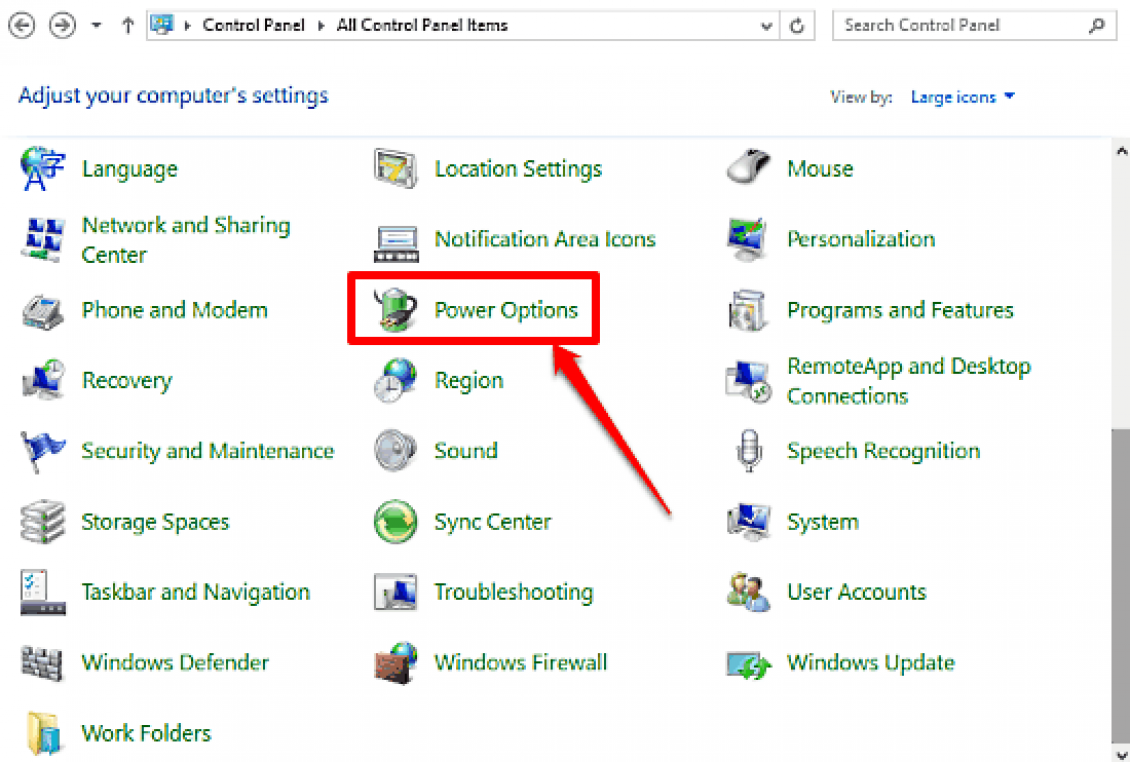
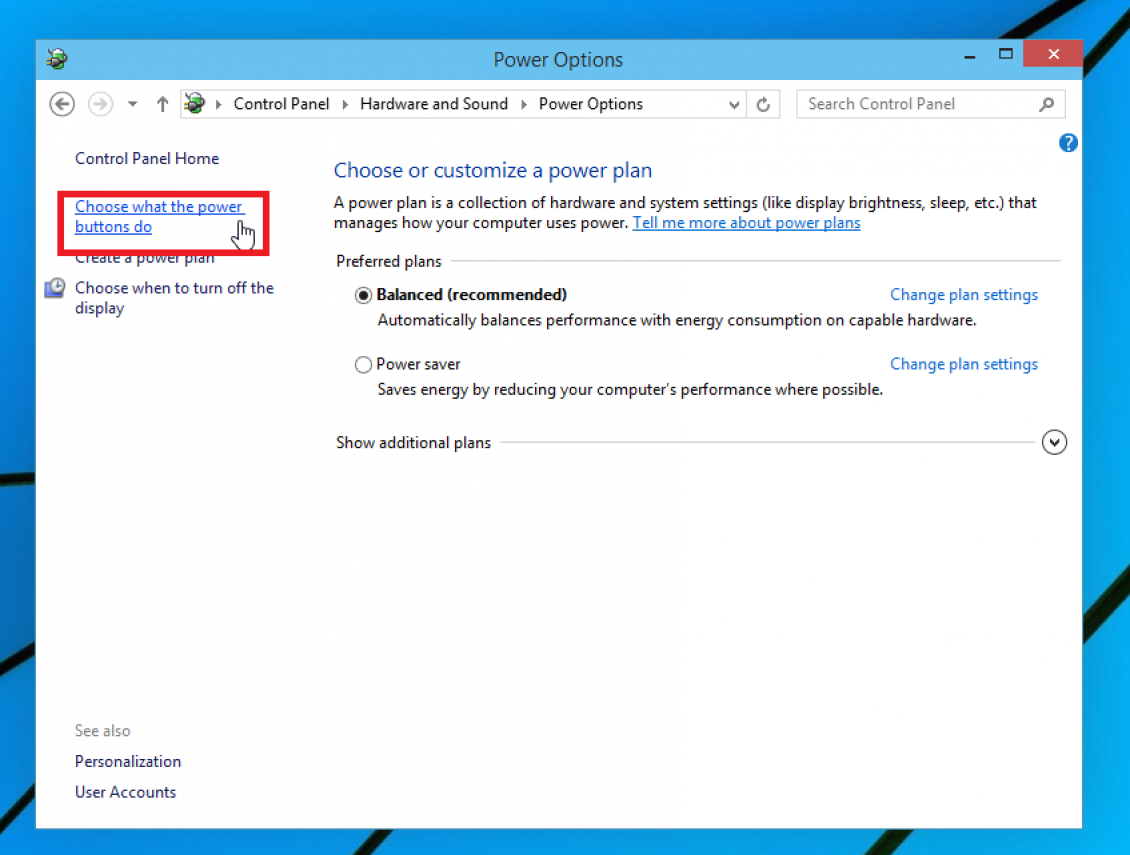
- On the next screen, Select Choose what the power buttons does option.
- Check the Box namely Hibernate under the Shutdown options.
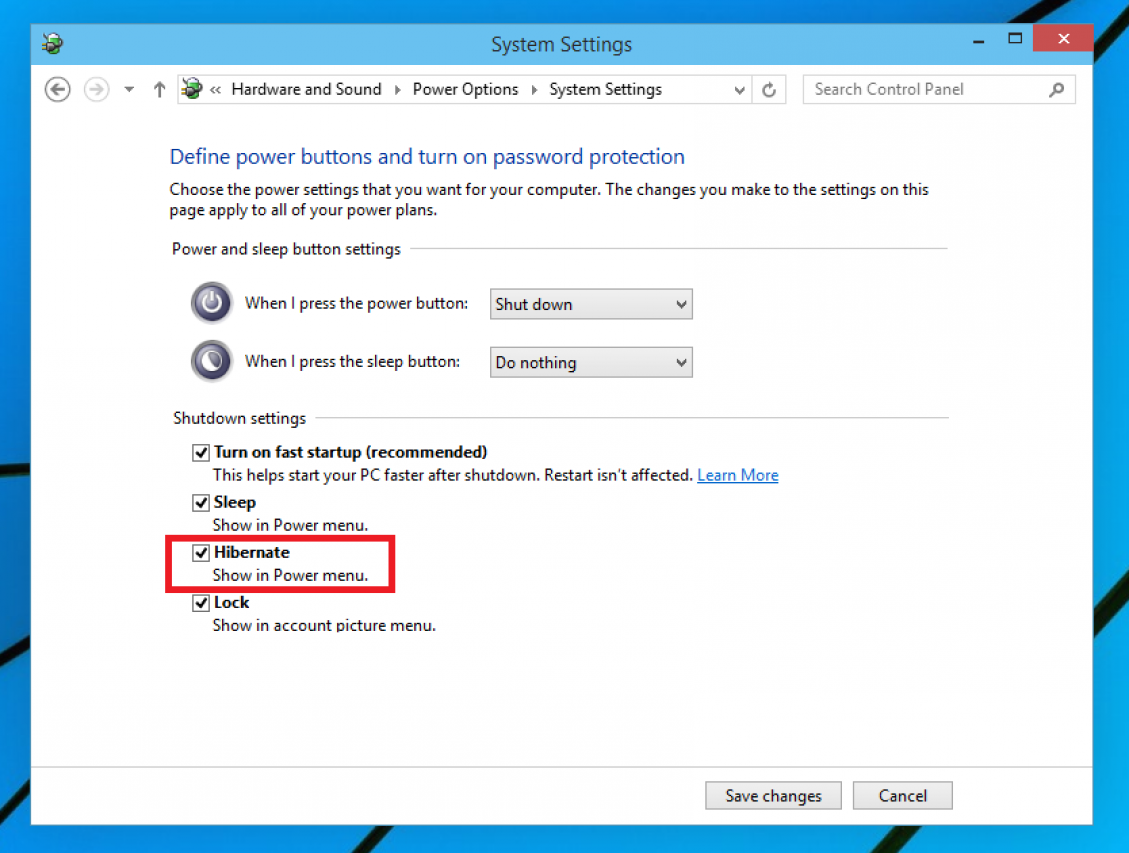
- If you are unable to change the option, you need to click on the Change settings that are currently unavailable option by scrolling up.
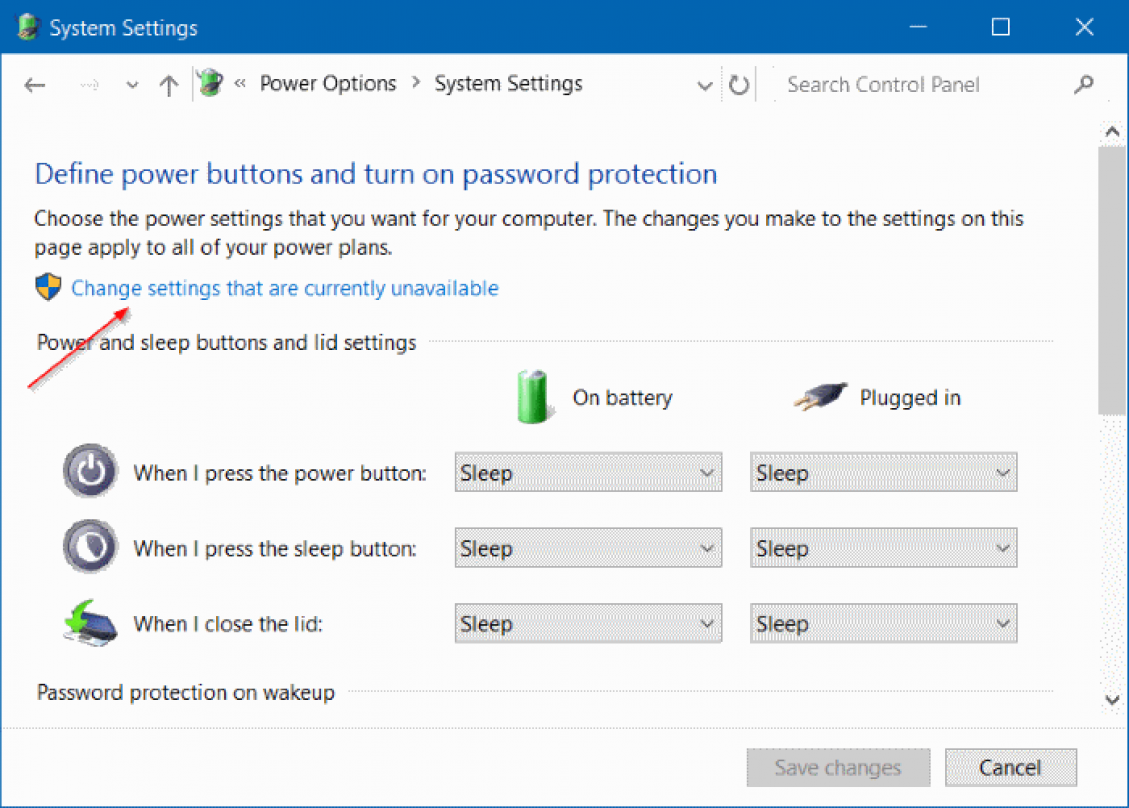
- Then, Scroll down again and Check the Hibernate option.
- Click on Save Changes button and the Hibernate option will be available from now.
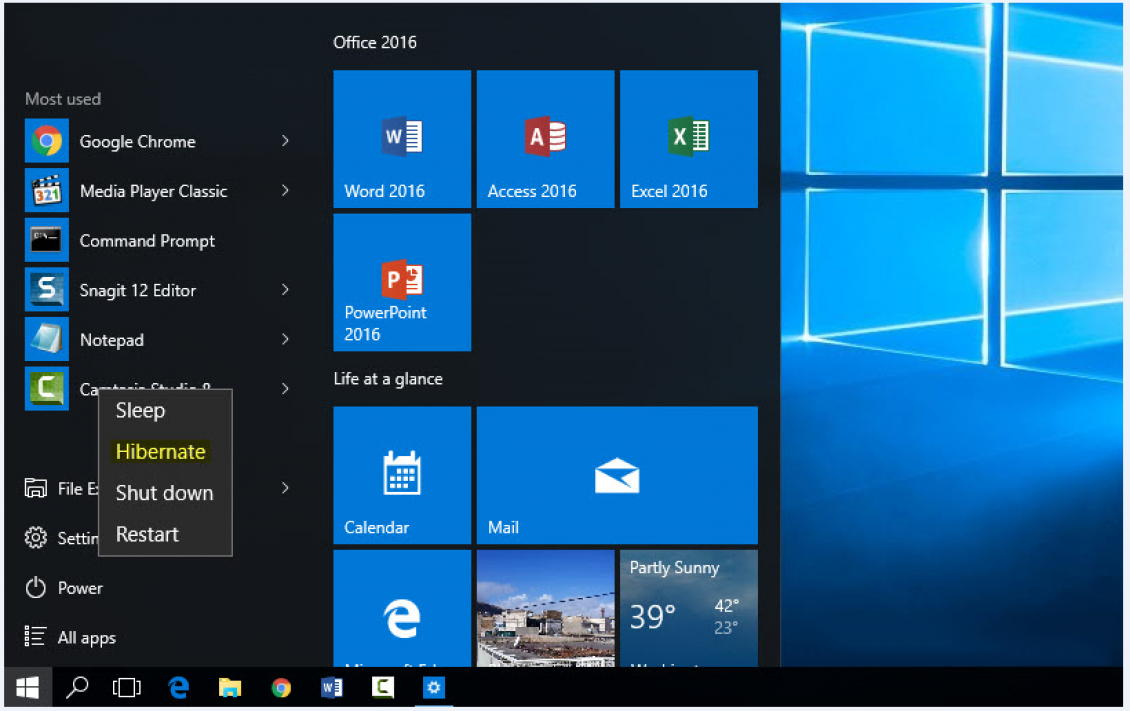
Now, you have successfully turned on the Hibernate option, and you will be able to Hibernate your windows 10. You could resume it anytime as you wish. Even your computer is completely shutdown, the windows will resume the last session if you’ve hibernated.
Be aware that the Hibernate mode will reduce the system speed a very little. If you are frequently left of your PC in every day and will resume it after a very short time, it is better to choose the Sleep mode instead of the hibernation. If you are one of those who left their sessions and only resume it after some hours or days, it is better to go for the hibernate option. Hibernating your computer won’t affect any of your system peripherals or softwares, it is a quite good option as the Shutdown and Restart option. If you prefer, you could always go for that.
More in Windows

Adios Lets Your PC To Shut Down, Restart, At A Specific Time
Shutting down, restarting a PC are manual things until now. Meet Adios, this program lets you schedule restart, shutdown, sleep with a timer. It is a pretty good thing for clearing unwanted temporary files and freeing up the memory. The automatic shut down feature is the most awaited feature for me. I regularly put large…

25 Tips to Speed Up Your Windows 10 PC
I remember when my old Windows 10 laptop started feeling old. Apps took a lot of time to open, and just switching tabs made it groan. Turns out, millions of people are in the same issue; even as Windows 11 pushes forward, Windows 10 runs on over 1 billion PCs worldwide and holds about 36%…
How to Add Website Links to Windows 10 Start Menu
Thanks to the Microsoft for bringing back the Charming start menu in Windows 10. Alongside numerous existing features, Windows 10 start menu comes with a lot of new addition. Such a noticeable addition is that the users can now pin their favorite websites to the start menu to quickly access them. This feature will be…
The week in tech, minus the noise.
New reviews, fixes and the stories that matter — once a week, straight to your inbox.
We only use your email to send the newsletter. Unsubscribe any time. See our privacy policy.
Comments